아담 하니의 주제 2가지.
1. 중국이 이란으로부터 원유 수입을 하지 못하게 되면, 러시아 원유에 의존하게 되고, 중국과 러시아의 '에너지 블록'이 형성된다.
2. 비료의 원료인 황(sulfur)와 요소 (urea) 의 공급에 차질이 생겨, 세계 농업의 생산에 타격을 입히고, 이는 식량 가격 상승으로 이어지고, 세계 가난한 나라들에 더 큰 타격이 될 것이다.
1. 호르무즈 해협 봉쇄로 인해서, 러시아-중국의 에너지 블록이 생길 수 있다.
호르무즈, 전 세계 석유와 LNG 해상 물동량의 20%를 차지한다.
현재 중국의 전략 비축유는, 11억~14억 배럴이다. 이게 끝나면, 중국은 러시아 원유에 의존하게 되고, 중국-러시아 에너지 블록 형성될 수 있다.
중국이 베네수엘라 중질유 석유를 수입하기도 하는데, 중국 석유 수입에서 차지하는 비중은 5%이다.
중국은 이란 석유수출의 90%를 수입하고 있다. (경제 제재를 피하기 위해서, 말레시아를 경유해서 중국으로 도입)
이미 호르무즈 해협의 원유 물동량의 75~80%는 아시아(중국,인디아,동남아시아,일본,한국)로 이동함.
2. 호르무즈 해협을 통과하는 '비료'의 재료들
(1) 요소 비료 (질소 비료 N) 의 재료인 '요소'의 전세계 공급량의 33%이 호르무즈 해협을 통과
요소 비료는 식물의 잎과 줄기를 키움.
(2) 인산비료 (phosphaste,P 인, 뿌리 꽃 열매를 키움)
황 (sulfur)은 인산비료의 재료인데, 황의 세계 무역량의 50%가 호르무즈 해협를 통과.
소결. 전 세계 작물 생산의 50%가 여기로부터 나오는 요소 비료, 인산 비료에 의존한다고 해도 과언이 아님.
(참고, 농민들이 사용하는 복합비료에는 N질소, P인산,K칼륨이 들어있다. 칼륨의 역할은 면역력 강화임)
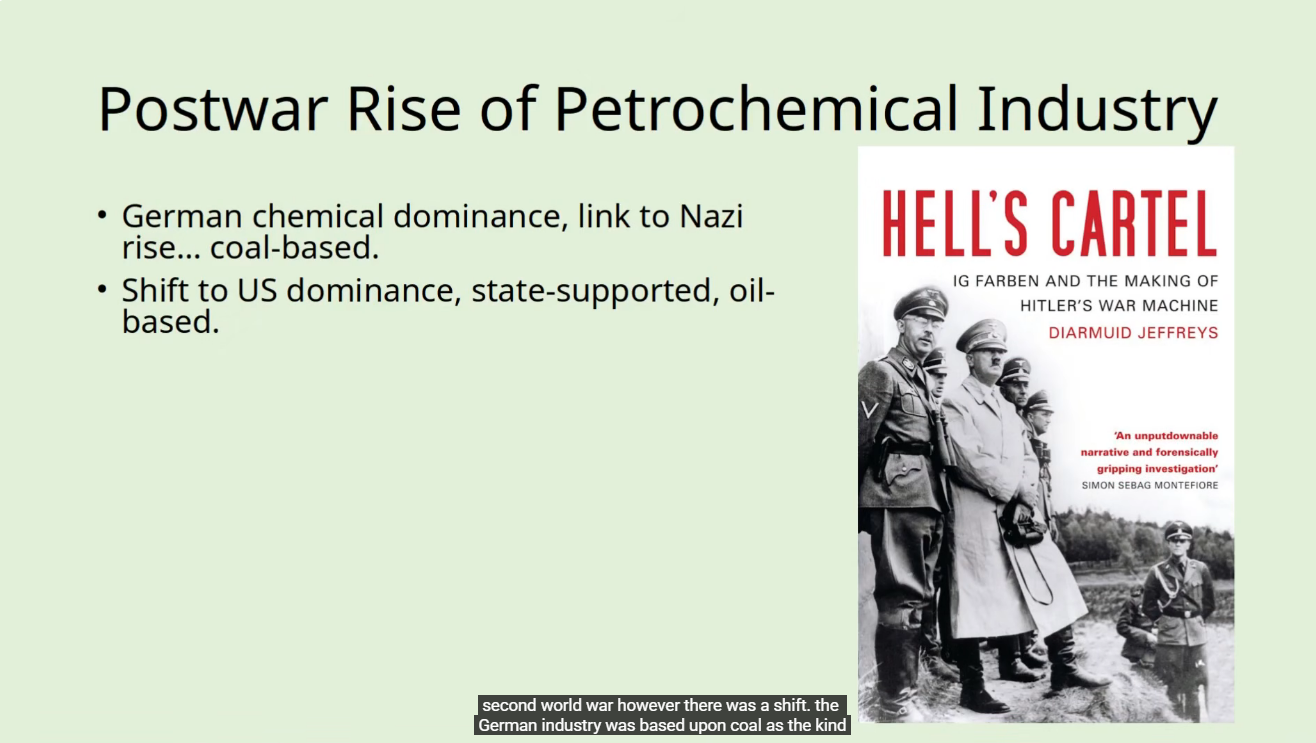
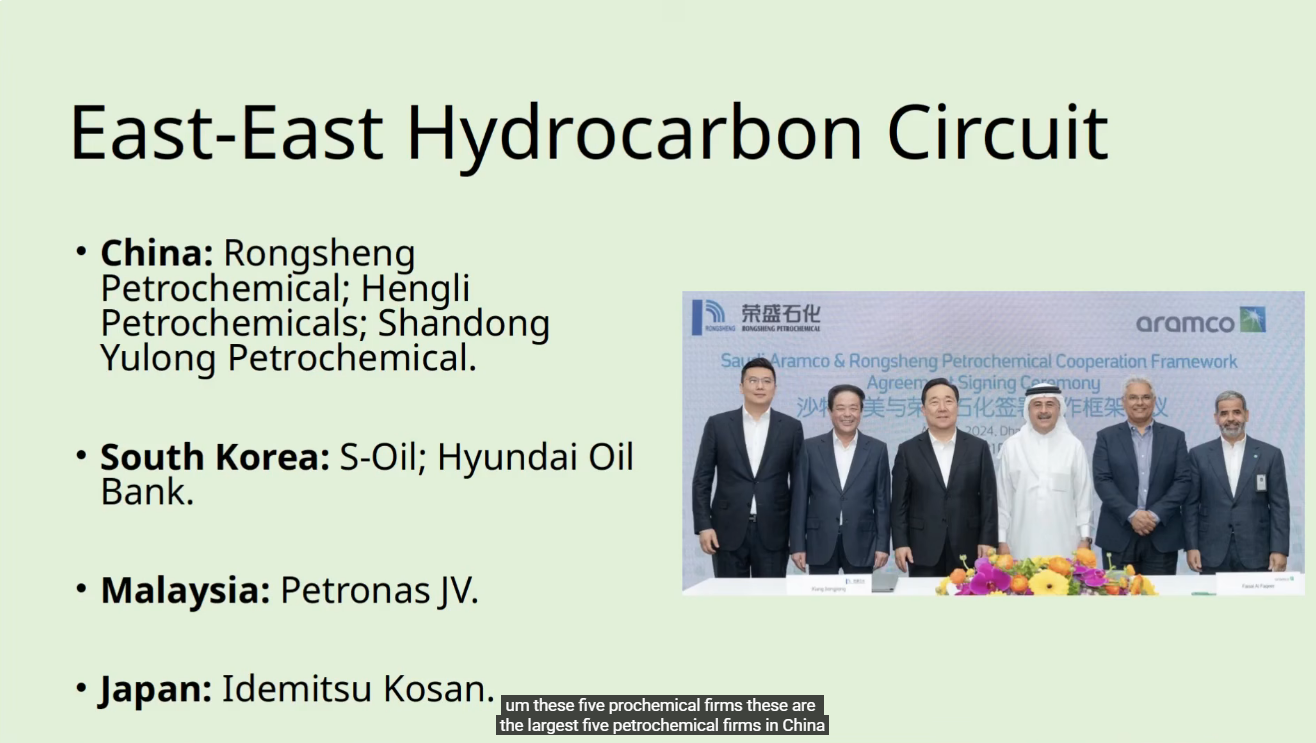
(3) 사우디 아라비아의 산업 전략의 변화. 아람코 생산 전략, 원유 수출에서, ‘플라스틱, 석유화학제품,비료’로 바꿈.(원유수출국가 전략에서, 제조업과 농업의 전략)으로 선회했다는 의미이다.
(4) 호르무즈 해협 봉쇄로 비료 원료인 '요소 urea'와 '황 sulfur'의 공급에 차질이 생기면, 비료 생산과 공급에 차질이 생기고, 이는 농업 생산량의 하락, 이것은 다시 식량 가격의 상승으로 귀결된다. 결국 가난한 사람들만 더 고통을 받게 된다.
If oil price shocks weren’t bad enough, Trump’s war could have other unintended consequences
Adam Hanieh
If oil price shocks weren’t bad enough, Trump’s war could have other unintended consequences
Adam Hanieh
China consumes around 90% of Iran’s oil exports, so could be forced to rely on alternative suppliers – particularly Russia
Thu 12 Mar 2026 14.00 GMT
With the US-Israeli war against Iran in its second week, energy markets are in turmoil. On Thursday, the price of Brent Crude Oil topped $100, only slightly lower than the $119 peak per barrel on Monday.
These swings have focused attention on key energy choke points such as the strait of Hormuz, where about one-fifth of the world’s shipped oil and liquefied natural gas (LNG) passes each day. This shutdown of the strait will be felt in people’s everyday lives for months to come, particularly in the form of spiralling household bills. But oil prices alone do not capture the full economic significance of the conflict.
To understand its wider implications, we need to look at the major changes that have reshaped energy markets over the past two decades, and the central role the Gulf now plays within them. An unexpected consequence of this war is that the US’s two biggest enemies, China and Russia, could well be drawn closer together.
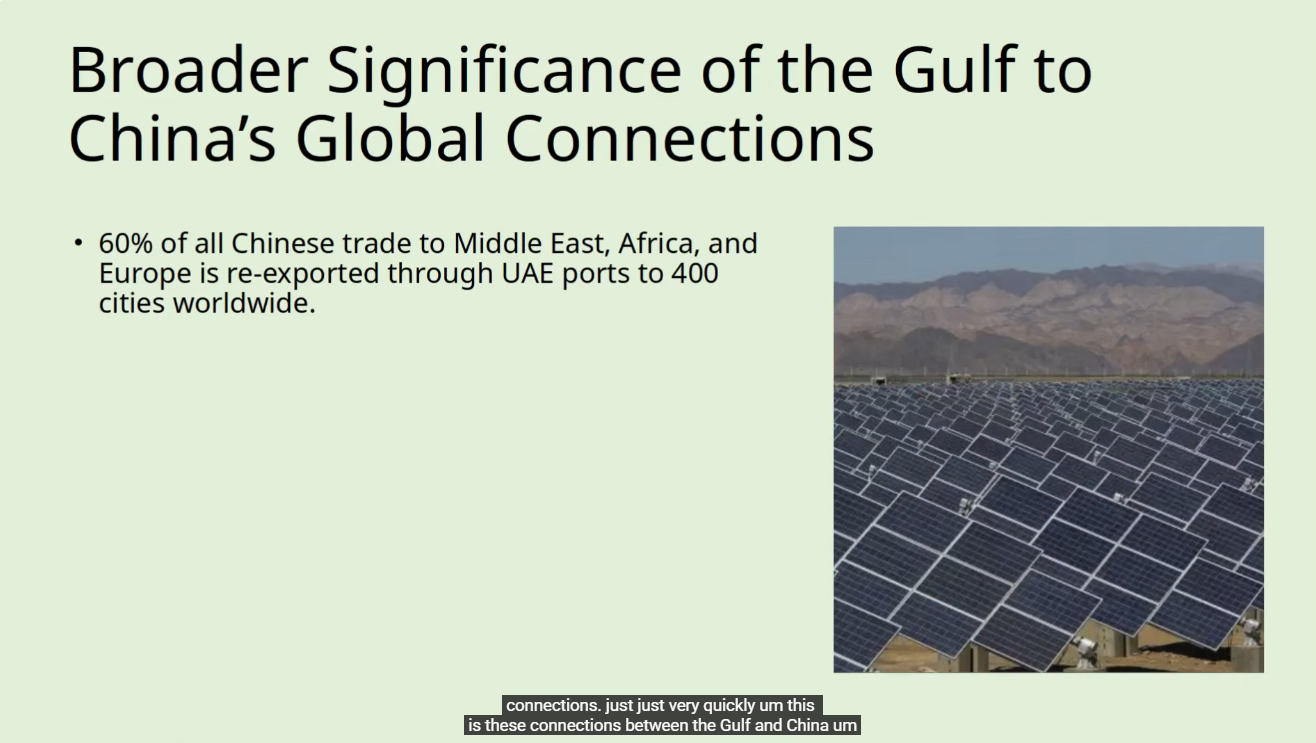
The first of these changes is the dramatic pivot in the world oil trade that has accompanied China’s rapid industrial and manufacturing growth. For most of the modern oil era, Gulf crude flowed primarily west, supplying the United States and Europe. Today, the centre of gravity of that trade has shifted decisively towards Asia. China alone now accounts for roughly one-quarter of global oil imports, most of which comes from the Gulf states. China now consumes about 90% of Iran’s crude oil exports, much of it routed through Malaysia to avoid sanctions.
These changes help explain why the current war carries such significant economic and geopolitical implications. As the centre of gravity of the oil trade has shifted east, the choke point that once loomed large in western strategic thinking now sits equally at the heart of Asia’s economic security. For China, in particular, conflict in the Gulf and the vulnerability of transit routes such as the strait of Hormuz pose a major risk to its energy supplies. By contrast, other geopolitical shocks have been easier for Beijing to absorb (Venezuelan oil, for example, accounts for less than 5% of China’s seaborne crude imports, making recent disruptions there relatively manageable). In the short term, Beijing can cushion the impact by drawing on its strategic petroleum reserves, estimated at roughly 1.1bn–1.4bn barrels. If the disruption persists, however, China is likely to deepen its reliance on alternative suppliers, particularly Russia, reinforcing the growing energy partnership between the two countries.
The surge in trade with Asia has also pushed the Gulf’s national oil companies into the forefront of the global oil and gas industry, with reserves, production and export levels that have overtaken their western rivals. Saudi Arabia’s Aramco, for example, is now by far the largest oil exporter in the world.
In recent years, companies such as Aramco have diversified beyond the “upstream” of the industry, extracting and selling crude oil, into “downstream” activities that turn crude oil and gas into refined products such as plastics, petrochemicals and fertilisers. As a result, the Gulf is now a major supplier of industrial commodities embedded in global manufacturing and agriculture.
One consequence of this shift is that the Gulf is increasingly connected to the global food economy. Large volumes of fertiliser inputs move through the strait of Hormuz, including more than a third of internationally traded urea and nearly half of global sulphur exports used in phosphate fertilisers. Urea is the most common nitrogen fertiliser, and is essential to about half of global crop production. As shipments from the region falter, fertiliser prices have already begun to rise sharply. If disruptions persist during the current planting season in the northern hemisphere, farmers will face higher costs for essential inputs, pressures that will eventually filter through to food prices around the world.
History suggests that such shocks rarely fall evenly. From the 2008 financial crash to the food and energy crises that followed Russia’s invasion of Ukraine, global disruptions tend to hit the most vulnerable societies hardest. Rising energy and fertiliser costs cascade through transport, manufacturing and food systems, with poorer households and more fragile economies bearing the greatest burden. Countries in the global south that depend heavily on imported fuel, fertilisers and food are especially exposed, as higher energy and commodity prices quickly translate into rising food costs and mounting balance-of-payments pressures – and potentially hunger and famine. The result is often to deepen existing inequalities both within countries and across the global economy.
Beyond these uneven effects, the war exposes a crucial fact about the structure of the global energy system. Despite decades of discussion about energy transitions, global production and trade remain heavily dependent on oil and gas. A few years ago, Saudi Arabia’s energy minister declared that “every molecule of hydrocarbon will come out”. The implications of an energy system still anchored in fossil fuels are now made stark. The Gulf sits at the centre of that system, not only as a supplier of crude but also as a hub for refining, petrochemical and fertiliser industries that sustain global manufacturing and agriculture. The war highlights the danger of continued dependence on fossil fuels – and why transitioning away from them is now more vital than ever.
Adam Hanieh is director of the Soas Middle East Institute, MBI Jaber chair in development studies, Soas University of London, and author of Crude Capitalism: Oil, Corporate Power, and the Making of the World Market
https://www.theguardian.com/commentisfree/2026/mar/12/oil-price-shocks-trump-war-china-iran-russia
If oil price shocks weren’t bad enough, Trump’s war could have other unintended consequences | Adam Hanieh
China consumes around 90% of Iran’s oil exports, so could be forced to rely on alternative suppliers – particularly Russia, says Adam Hanieh of the Soas Middle East Institute
www.theguardian.com
2. feb 27. 2026
아담 하니 , 유투브 자료.


출처.


