자유 시간의 확장과 AI 기술 발달 목표. AI 기술 발달이 인류의 자유시간의 확장으로 이어져야 한다.
연관 주제. 대학 학습법과 AI 문제.
시카고 대학의 학습 방법은 참고할 만하다.
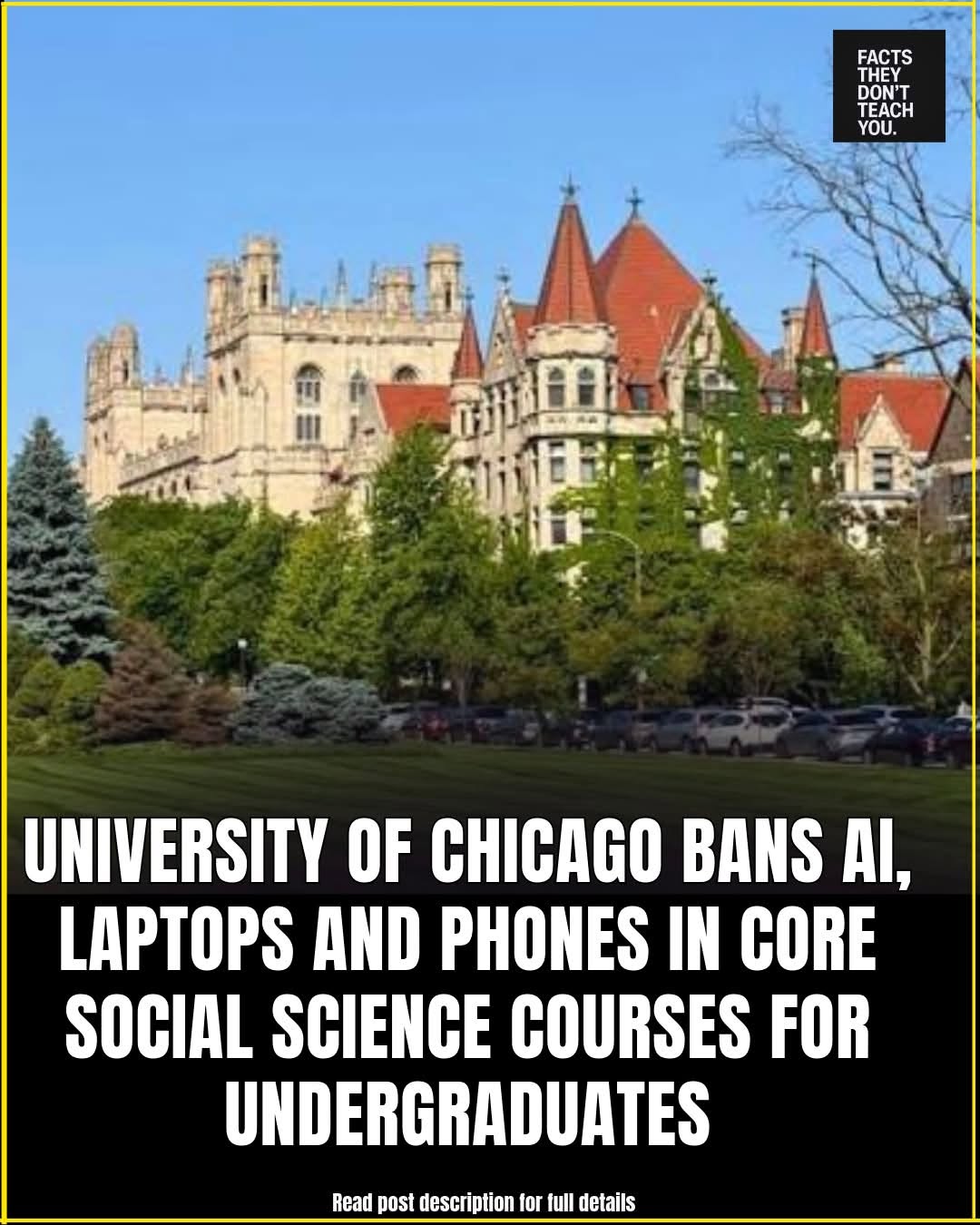
시카고 대학, 사회과학대학 학부생들 '아나로그' 공부법으로 배운다. 강의실에서 'AI, 폰, 랩탑' 없이 공부한다. 읽고,쓰고,생각하는 능력 향상이 목표이지, 기술 배격 자체가 목표는 아니다.
인류사야 다른 한편으로는 기술의 발전사이기 때문에, AI건 대안 에너지 발전이건 다 수용해야 하면서도 비판적인 태도로 그것들이 인류의 공공이익에 부합하도록 해야 한다.
AI 기술에 너무 손쉽게 의존하기 보다는, 자기 스스로 생각하고 읽고 쓰는 시간이 필요하다. 이런 느린 시간과 충분한 사유 시간이야말로 오히려 AI 기술을 더 효과적이고 더 유용하게 쓸 수 있게 만든다.
사기업들이 AI 기술을 독점해서도 안된다. 기술 개발과 확산 과정에서야 민간,사적인 개인들이나 기업들이 경쟁을 통해 성과를 이룩할 수 있지만, 그것들의 성공 역시 사회와 공동체의 도움 없이는 불가능하다. AI 산업에 필수적인 에너지, 물과 전기 생산, 노동력 제공 등은 우리 사회와 정부의 세금 지원이 필수적이다.
AI 기술 개발을 통한 산업 생산,유통,분배,소비의 변화가 현재의 인류, 국가간 개인간의 불평등을 더 가속화시켜는 안된다.
이를 위해서는 AI 기술 역시 '사회적 공동 재산'이라는 인식이 사람들 사이에 널리 퍼져야 한다.
AI 기술 개발의 성과로, 진짜 사람들에게 '노동' 바깥 '자유 시간'이 더 늘어날 수 있겠는가? 그렇다면 인류의 교육 제도 역시, 교육 프로그램, 생애 주기 직업 숫자 등도 다 변화해야 한다. 이럴 준비를 해야 하는데, 현재 AI 기술 선전 만으로는 이러한 '자유 시간의 확대'의 꿈을 실현할 수 없을 것이다.
생산기술과 생산수단의 사회화 주제.
Facts They Don’t Teach You
The University of Chicago is moving its undergraduate Social Sciences Core courses toward a largely technology-free classroom environment beginning this fall.
The Social Sciences Core is part of the university’s required undergraduate general-education curriculum. Under new guidance from the Social Sciences Collegiate Division, the courses will generally be taught as “analog” classes, with students reading primarily from paper materials and participating in face-to-face discussions without digital devices.
Students will generally be expected to keep laptops and cell phones put away during class. Wearable AI devices, including devices such as Meta smart glasses, are also covered by the restriction. In-person attendance is required, and recording lectures and discussions is prohibited.
The policy also prohibits students from using artificial intelligence to complete their coursework in these Core classes. Faculty are likewise instructed not to use AI-assisted grading as a normal practice, and course syllabi are to be produced by human scholars.
The university says the purpose is not simply to reject technology. The Social Sciences Collegiate Division argues that students should first develop the ability to read, write and think independently without relying on AI or digital devices. The courses are intended to emphasize sustained reading, discussion and direct interaction between students and instructors.
The restrictions are not absolute. Faculty can make exceptions when technology serves a specific educational purpose, such as examining a dataset, troubleshooting code, revising text or accessing library resources. Reasonable accommodations for students with disabilities are also permitted.
The university is also not taking an anti-AI position across the institution. In June, UChicago announced a partnership with Anthropic that will give students and faculty access to Claude, an AI system.
클라우드 이미 사용중인 대학.
The move therefore represents a more targeted approach: UChicago is allowing students to use AI elsewhere while deliberately creating an AI-free and largely device-free environment in its foundational Social Sciences Core.
The reasoning is straightforward. Before students learn how to use artificial intelligence effectively, the university wants them to develop the ability to read, write, discuss and reason without it.
It is one of the more notable examples of a major university deliberately creating parts of its curriculum where the technology is kept outside the classroom. See less