반달 어원과 뜻 번역.
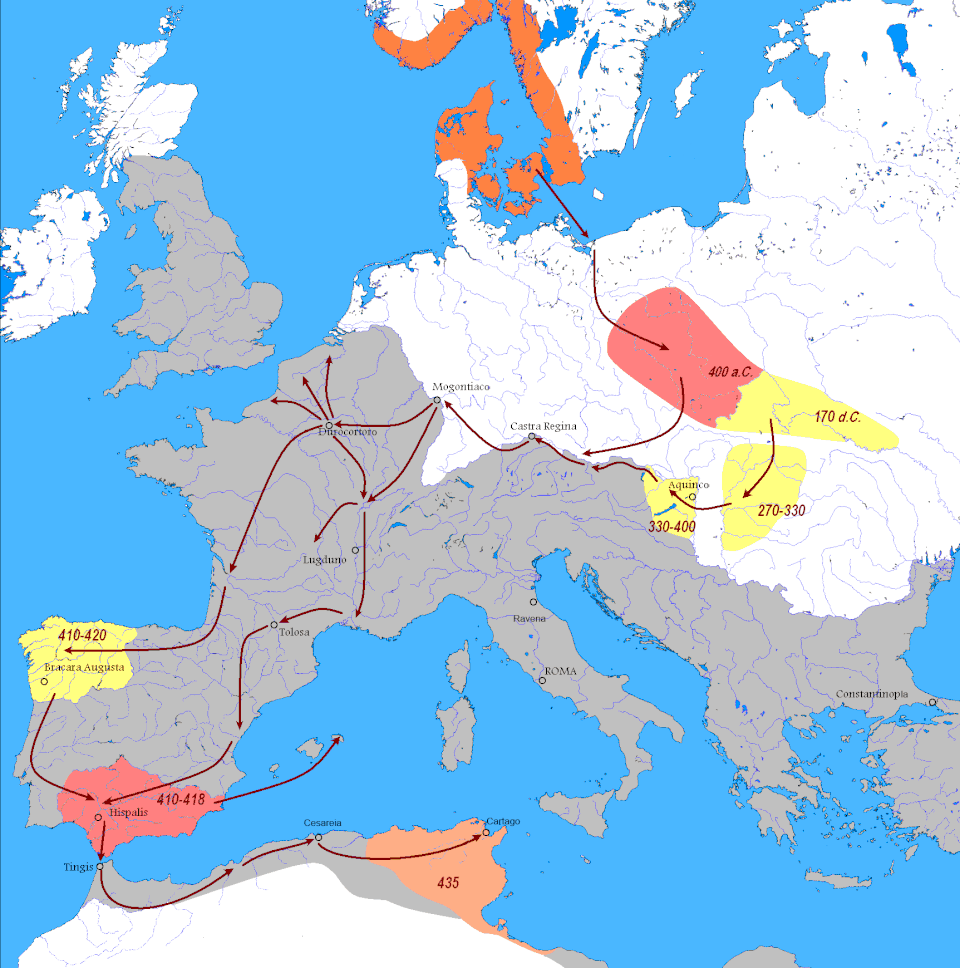
게르만족의 한 민족이었던 반달족은 원래 북유럽에 살고 있었다. 4~5세기경에 여러 다른 바바리아 족, 특히 훈(the Hun)족이 반달족을 공격하자, 반달족은 지금 프랑스와 스페인 영토의 남서부 방향으로 밀려나가게 되었고, 마침내 북부 아프리카에 정착하게 되었다.
이 과정에서 반달족은 그냥 이동한 게 아니라, 많은 도시와 동네를 파괴했다. 다른 야만족(barbarians)보다 더 악독한 것은 아니지만, ‘파괴자’로 악명을 떨치게 되었다.
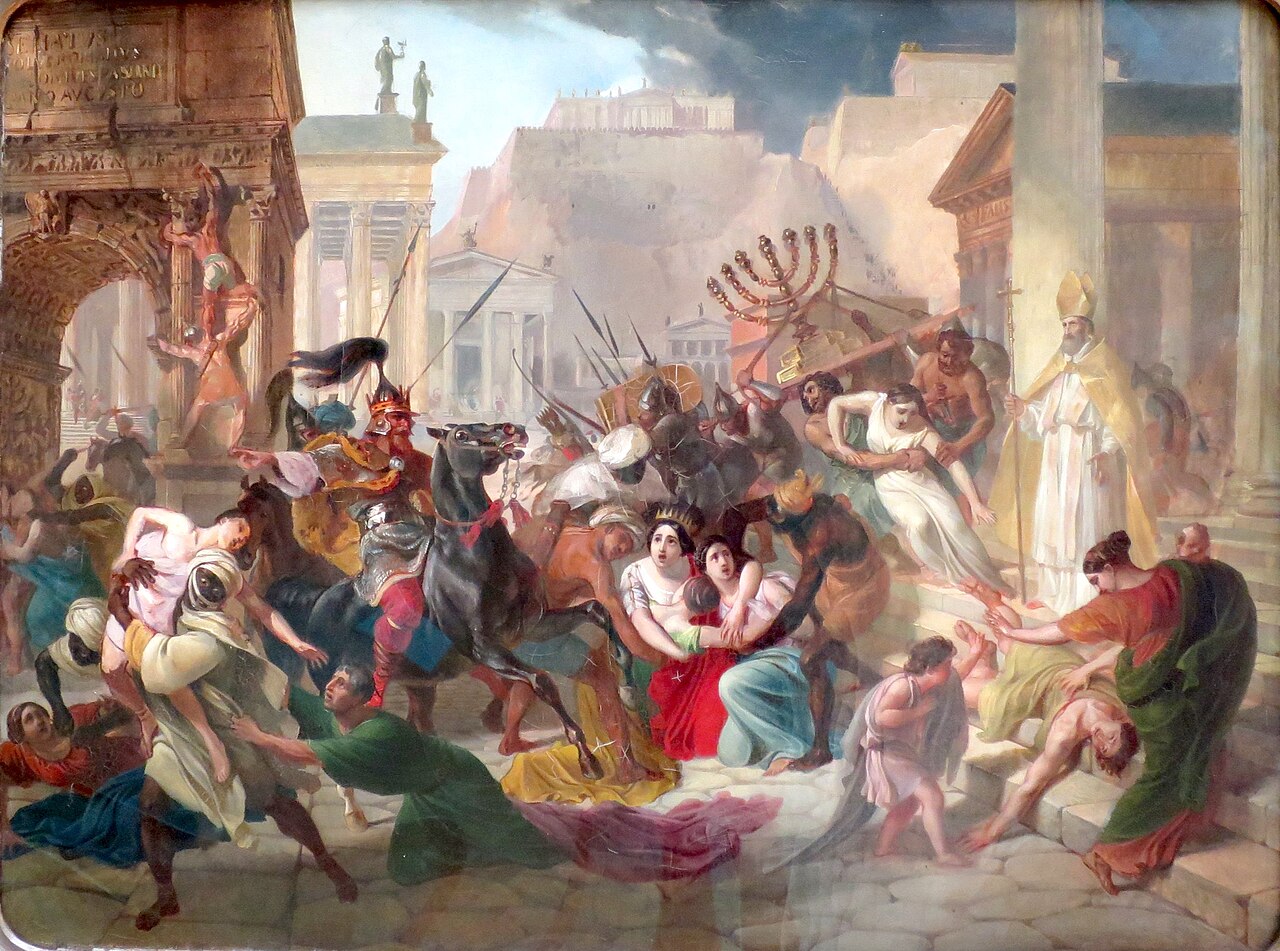
그 이유는, 반달족이 455년 로마를 침략해 노략질을 했기 때문이다. 로마에 들어가서, 그들이 가져갈 수 없는 물건이나 재산들을 닥치는대로 파괴했다. 나중에 로마 군대가 반달족에 승리를 거뒀지만, 그들의 악명 때문에, ‘반달’은 ‘고의적으로 파괴하는 사람’이라는 뜻으로 사용되었다.
Vandal –: 반달,
1. 비스툴라와 오더 강 사이에 있는 발틱해 남부 지방에 살던 게르만 족. 4~5세기에는 스페인 골(Gaul)과 북부 아프리카를 침략해 영토를 차지했고, 445년에는 로마를 노략질했다.
2. 고의적으로 혹은 무지하게 다른 사람 혹은 대중에 속한 재산을 파괴하고, 손상을 입히고, 훼손하는 사람.
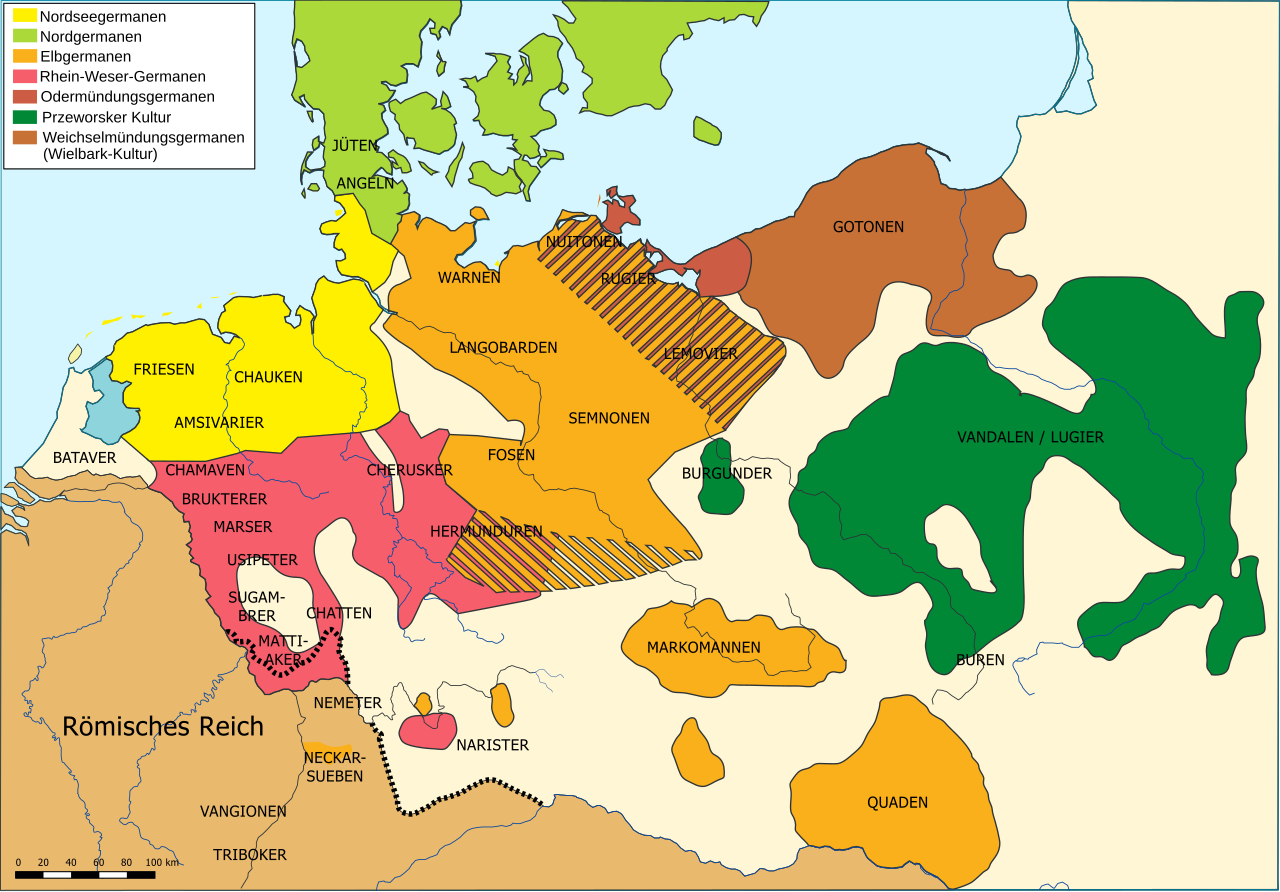
반달족 기원. 기원전 3세기. 게르만 (빨간색) 비스툴라
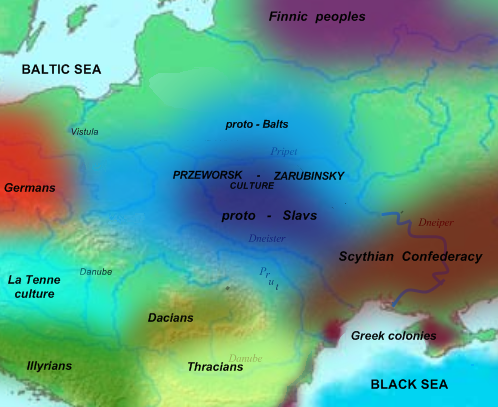
지금 폴란드 지방 (녹색 - 반달 족)
반달족 이동 경로와 시기.
출처.
지도.
https://en.wikipedia.org/wiki/Vandals
Vandal : a member of a Germanic people who lived in the area south of the Baltic Sea between the Vistula and the Oder rivers, overran Gaul, Spain, and northern Africa in the fourth and fifth centuries a.d., and in 455 sacked Rome
2
: one who willfully or ignorantly destroys, damages, or defaces property belonging to another or to the public
vandal adjective
often Vandal
Vandalic van-ˈda-lik adjective
Synonyms of vandal
Relevance
defacer
destroyer
Examples of vandal in a Sentence
Vandals defaced the school's walls.
a group of vandals broke into the school and painted graffiti on the walls
Recent Examples on the Web
Examples are automatically compiled from online sources to show current usage. Opinions expressed in the examples do not represent those of Merriam-Webster or its editors. Send us feedback.
The property has experienced severe damage from frequent break-ins, fires and vandals, Sean Pickett, representative for Robeson Holding, told the city’s historic preservation commission on Friday.
—Chris Higgins, Kansas City Star, 25 Nov. 2025
Nearly four decades before the death of Maria Florinda Ríos Pérez, a high school junior mistaken for a vandal was fatally shot while delivering The Indianapolis Star on his early morning paper route.
—Ryan Murphy, IndyStar, 21 Nov. 2025
Many vandals who damage public lands are never caught.
—Owen Clarke, Outside, 20 Nov. 2025
The study also left out instances where vandals damaged Tesla vehicles and charging stations.
—NPR, 25 Oct. 2025
Word History
Etymology
borrowed from Late Latin Vandalī (plural) (Latin Vindilī, Vandiliī), probably borrowed from Germanic *wand-il-, noun derivative from a verbal base *wend- "wind, wrap, turn, move" (whence Old English windan "to twist, move with speed or force"), as in *auza-wandil-, perhaps, "dawn-wanderer," name of a star and mythological figure (whence Old Norse Aurvandill, Old English ēarendel) — more at wind entry 3
First Known Use
1530, in the meaning defined at sense 1
Time Traveler
The first known use of vandal was in 1530
See more words from the same year
Rhymes for vandal
Candle
Handle
Sandal
Scandal
Panhandle
Browse Nearby Words
Vancouver, Mount
vandal
vandalise
Cite this Entry
Style
MLA
“Vandal.” Merriam-Webster.com Dictionary, Merriam-Webster, https://www.merriam-webster.com/dictionary/vandal. Accessed 8 Dec. 2025.
Copy Citation
Share
Kids Definition
vandal
noun
van·dal ˈvan-dᵊl
1
capitalized : a member of a Germanic people overrunning Gaul, Spain, and northern Africa in the fourth and fifth centuries a.d.
2
: a person who destroys or damages property on purpose
Etymology
from Latin Vandalii (plural) "The Vandals"; of Germanic origin
Word Origin
The Vandals were a Germanic people who originally lived in northern Europe. In the fourth and fifth centuries, however, other barbarian peoples, especially the Huns, forced the Vandals to migrate westward and southward through what are now the lands of France and Spain.
They finally settled in northern Africa. But as they migrated, the Vandals did not just pass through an area. They destroyed many cities and towns. They probably were no worse than other barbarians, but they became widely known for destruction.
This probably happened because they invaded and looted the city of Rome in 455. They destroyed or ruined much of what they could not take with them. The Vandals were later defeated by the Roman army but their bad reputation caused their name to be used for "a deliberately destructive person."
Legal Definition
vandal
noun
van·dal ˈvand-ᵊl
: a person who willfully destroys, damages, or defaces property belonging to another or to the public
Etymology
Vandal, member of a Germanic tribe who sacked Rome in a.d. 455
'정책비교 > 국제정치' 카테고리의 다른 글
| 이란 기후 문제.Will Climate Change force Tehran to Evacuate?Juan Cole (0) | 2026.01.17 |
|---|---|
| 이란 Iran 시위 원인들, 그리고 미국 트럼프의 시위대 원조 발표의 문제점. (0) | 2026.01.14 |
| 이란 Iran, 한국일보 보도. 이란 47년 신정체제 무너지나...시민들 분노한 진짜 이유는 (0) | 2026.01.13 |
| Japan PM Ishiba issues message to mark 80 years since end of WWII (0) | 2025.10.12 |
| 2025 oct.8. 일본 새 수상, 다카이치 - 야스쿠니 신사 참배 논란 (2) | 2025.10.09 |
| 네팔 대규모 시위 원인. 네팔 부정부패 정권 축출, 올리 수상 사임. 네팔 청년들 불평등에 저항. 호화사치 '족벌 자녀'와 실업청년의 고단한 삶 대조. 탐욕 정치인 집과 의회 불태워버리다. 22명 사망. 샤마 올리 수상 축출 (1) | 2025.09.11 |
| 이스라엘 네탄야후 , 이란 공습 목표 :국내 정권 연장술 (1) | 2025.06.14 |


