각 국가별로 '반-이민자' 행태와 심리는 다양하지만, 스위스 우파들 역시 자기 모순을 보여줬다. 스위스 인구 27%가 이민자들이고, 그들이 관광산업, 병원과 노인 돌봄 분야에서 실질적으로 스위스이 재생산에 기여를 하고 있는데도, 반-이민법을 만들려고 하고 있기 때문이다.
스위스 대도시 시민들은 대다수 '반대' 투표를 던졌다. 바젤, 베른, 쮜리히 등 스위스 유명 도시에서는 반대 높음.
바젤 73.5% 반대, 베른 55.4% 반대, 쮜리히 60% 반대
한국도 마찬가지이다. 1988년 올림픽 이후, 제조업, 농업, 축산업, 어업, 도시 사적서비스 분야에서 노동력 부족 현상이 나타났다. 그 이후 아시아 이민 노동자들이 한국 경제와 일상의 '필수 노동력'이 되었다. 한국 정부와 시민들은 한국을 세계인의 자유로운 노동의 나라로 만들어 나가야 한다. 이것이 한국 민주주의 새로운 과제이고, 벌써 35년이 넘었다.
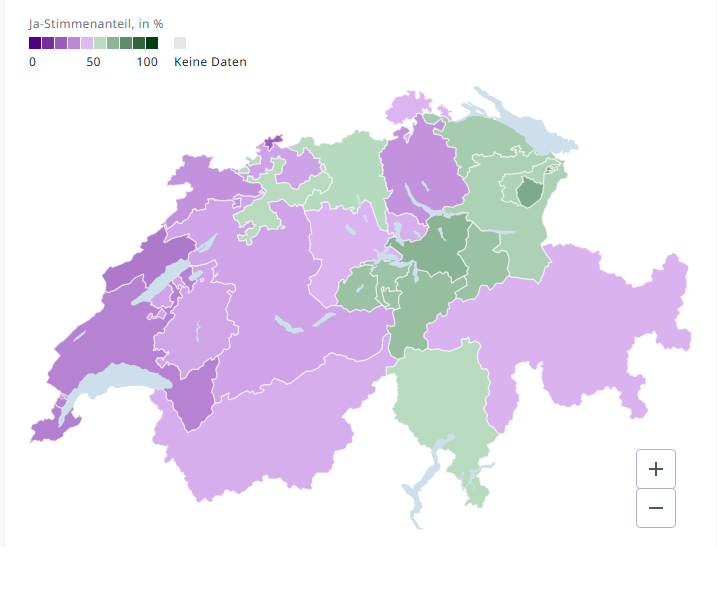
1. 스위스 우파, 스위스 국민당이 국민투표로 부친, "스위스 인구, 1천만으로 제한하자"는 안이 부결되었다. 국민투표 결과는 반대 55%, 찬성 45% (투표율 59%)였다. 스위스 국민당, 토마스 마터 (Thomas Matter)가 국민투표를 발의자.
23개 주들 중, 13개 주가 반대.
국민 투표안 질문 내용. 당신은 국민발의, "인구 1천만명 스위스는 없다 (지속가능성-발안)를 채택하겠는가? " 보충 설명을 하면, 2050년 이전까지, "스위스 인구 1천만으로 제한하자" 에 찬성하는가? 이다.
Wollen Sie die Volksinitiative «Keine 10-Millionen-Schweiz! (Nachhaltigkeitsinitiative)» annehmen?"
2. "스위스 인구 1천만으로 제한하자" 국민투표날 이전, 여론조사에서, 찬성 48%, 반대 41%, 미정 11%였는데, 막상 투표 결과는 '부결'이었다.
국민투표 결과는, 스위스 국민당의 반-이민자 주장을 한풀 꺾어놓았다.
3. 우익, 스위스 국민당 주장의 논거들
2025년 스위스 인구 약 910만명인데, 910만명 중, 이민자는 27%이다.
이민자로 인한 사회문제 발생. 주택 부족, 교통 혼잡, 과밀 학교, 사회 복지 서비스 저하 (삶의 질의 저하), 환경파 등의 직접적인 원인이 '이민자 증가'에 있다. 이민자를 비난하는 게 아니라, 이민을 받아들일 준비가 덜 되어있다고 주창 (독일 AfD 등 유럽 우익,극우 정당의 핵심 논리임)
3. 스위스 사민당 등, 국민당 주장 비판론자
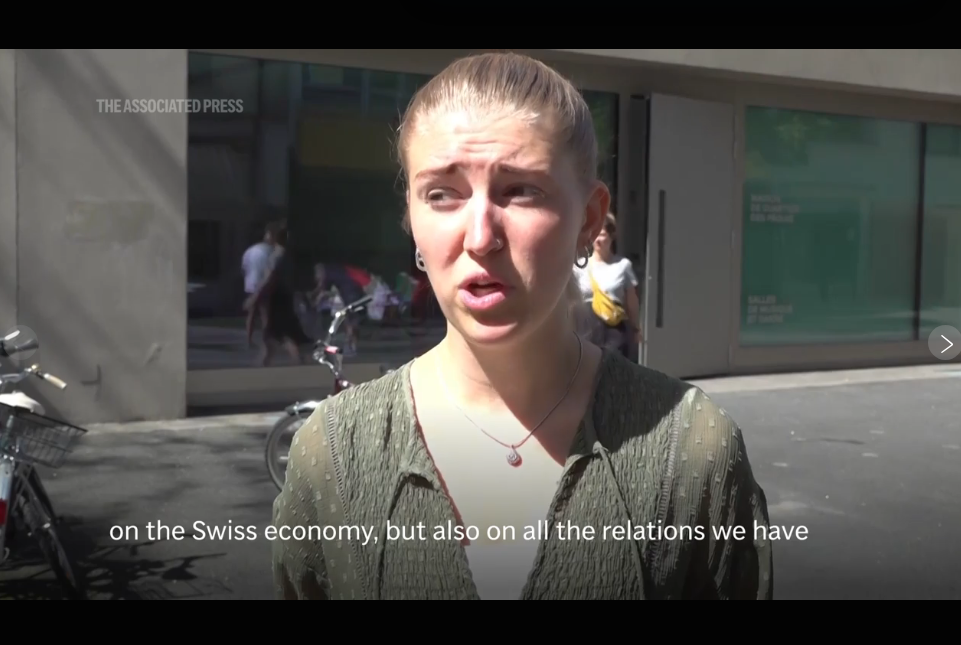
(1) 이민자 노동이 스위스에 필수적이다. 스위스 인구 제한에 반대자들 주장, 스위스 관광업, 의료(병원), 돌봄 노동력 부족을 해결하기 위해서는 이민자가 필요하다.
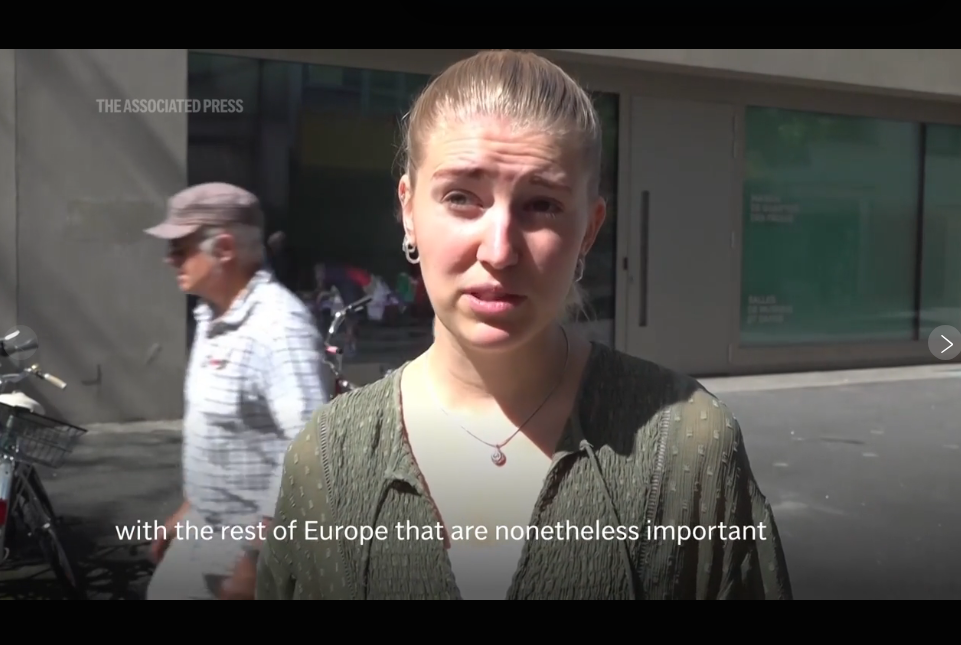
(2) 스위스 정부와 사업가(경영자)들 역시 국민당 논리 반대, 그 이유는 스위스는 유럽연합과 '유럽인들의 자유이동권' 협약을 맺고 있기 때문에, 이 협약을 위반시, 유럽 시장에서 불이익을 당하기 때문임. (스위스의 수출품의 50% 이상이 유럽 연합국가들에서 소비됨)
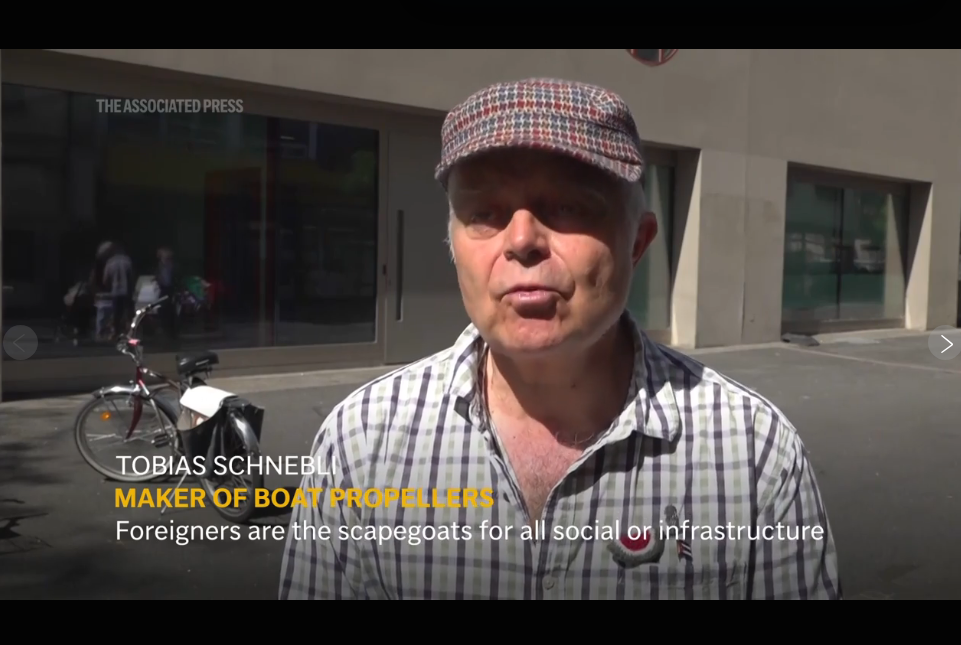
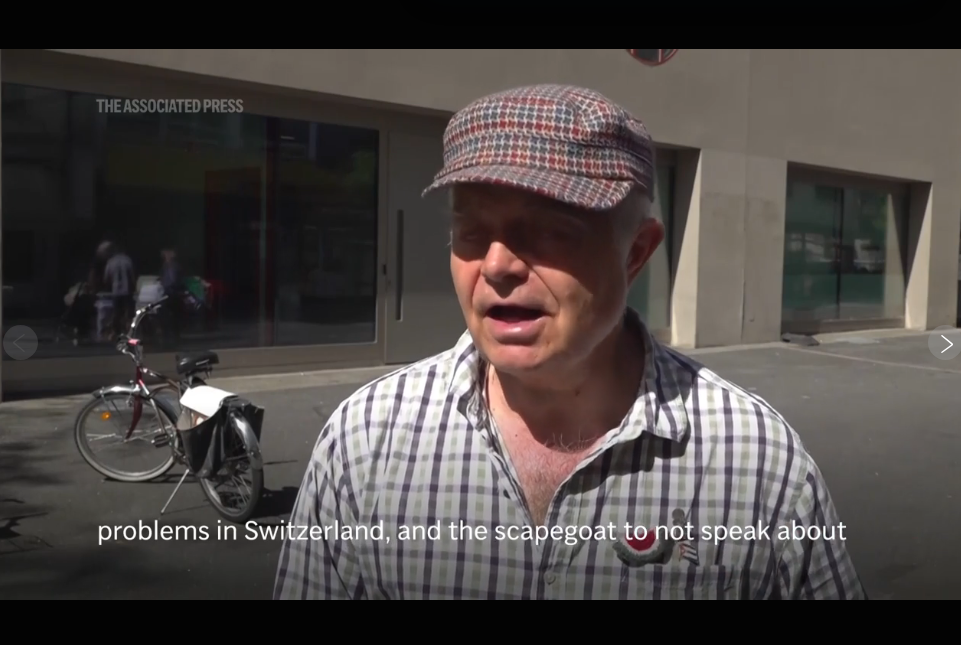
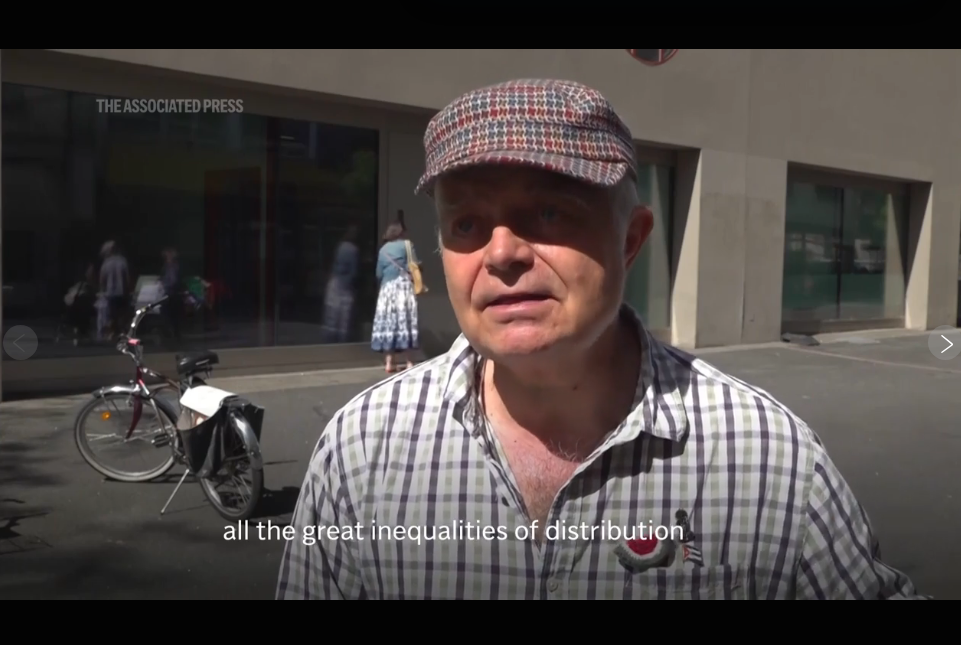
(3) 스위스 사민당, 헬린 게니스 (Helin Genis) 의 주장 -결국 국민당 주장은 이민자를 희생양으로 삼는 행태이다.
4. 국민투표 결과 분석. 국민투표 결과,도시와 농촌의 표심 격차가 컸다.
이민자가 많은 도시에서는, 국민당 제안에 '반대'가 훨씬 많음.
스위스 관광업, 호텔 노동자의 50% 이상이 이민자임. 병원과 돌봄 부문에서도 이민자들의 비중과 역할이 상당히 중요함.
스위스 인구의 20% 이상이 65세 이상이기 때문에, 이 노년층의 돌봄 노동을 담당하기 위해서는 이민자들이 필요함.
5. 스위스 국민투표는 1년에 4회 가능. 신청 자격, 스위스 국민투표가 성사되기 위해서는, 전국 유권자들 중, 10만명의 서명을 받으면, 그 주제를 국민투표에 부칠 수 있다.
이번 스위스 국민당은 '스위스 인구, 1천만으로 제한하자' 국민투표를 위해서, 12만 4600명 서명을 받았다.
국민투표 결과 공식
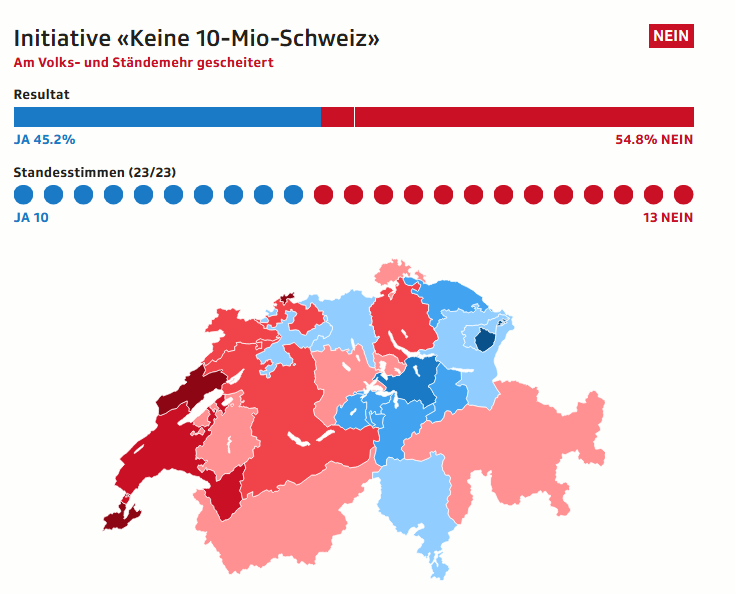
바젤, 베른, 쮜리히 등 스위스 유명 도시에서는 반대 높아.
바젤 73.5% 반대
베른 55.4% 반대
쮜리히 60% 반대
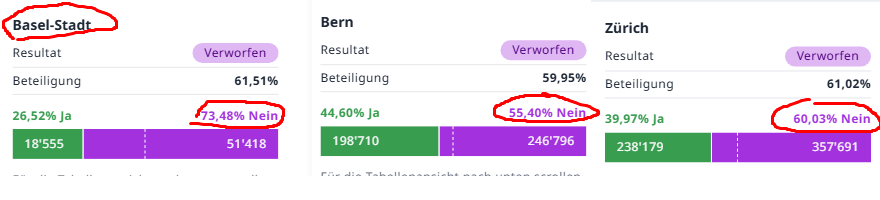
스위스 국민투표 지도. 찬성과 반대. (반대 보라색, 찬성 녹색)
참고 링크
https://www.admin.ch/de/nachhaltigkeitsinitiative
Volksinitiative «Keine 10-Millionen-Schweiz! (Nachhaltigkeitsinitiative)»
Am 14. Juni 2026 haben die Schweizer Stimmberechtigten über die Volksinitiative «Keine 10-Millionen-Schweiz! (Nachhaltigkeitsinitiative)» abgestimmt.
www.admin.ch
스위스 보도
Initiative «Keine 10-Millionen-Schweiz»: Argumente im Faktencheck
Die wichtigsten Argumente der Ja- und Nein-Seite zur SVP-Initiative auf dem Prüfstand.
www.srf.ch
bbc 보도 자료.
Swiss voters reject 10 million population cap
5 hours ago
Bern, Switzerland
Reuters Signs stand in front of a building, on the day of the vote on a plan backed by the right-wing Swiss People's Party (SVP)
Reuters
스위스 우파 정당, 스위스 국민당 (SVP)이 제안한 국민투표
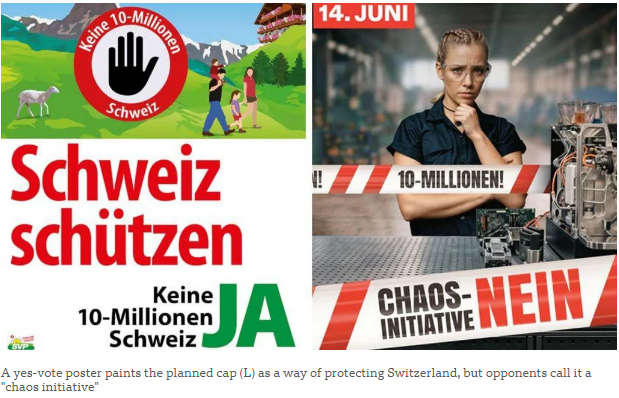
In the run-up to the poll, opinions on the likely outcome were divided
Voters in Switzerland have rejected a proposal to limit the country's population to 10 million.
Results showed nearly 55% of participants voted against and 45% voted for, with a turnout of 60% of the population.
The proposal came from the right-wing Swiss People's Party, which has long campaigned on an anti-immigration platform.
The divisive vote risked putting the country's free movement agreement with the European Union in jeopardy and was opposed by the government, Swiss businesses, and all the other major parties.
Welcoming the no vote, Switzerland's justice minister Beat Jans said it was "a sign of stability, openness and reliability".
Switzerland's population has grown rapidly since 2002, when it stood at 7.3 million. Now it is 9.1 million, 27% of whom are not Swiss citizens.
However, the People Party's argument that capping the population would reduce pressure on transport, housing and the environment seem not to have persuaded enough voters.
Although the Swiss People's Party insisted the population cap was designed to protect Switzerland's public services and its environment, it has a long history of campaigning on an anti-immigrant platform, frequently blaming asylum seekers and minorities for societal problems.
Some voters were seemingly worried at the prospect of losing much-needed workers in tourism, hospitals, and care homes.
Others, in particular Swiss business leaders, feared losing Switzerland's crucial access to Europe's single market.
Over half of all Swiss products are sold into the EU, but their access to Europe's markets depends on Swiss commitment to Europe's free movement of people. Had the population cap been approved, Switzerland would have had to terminate that agreement.
Both the Swiss government and Swiss business leaders say the vote shows non-EU member Switzerland wants to stay close to Europe.
The President of the European Commission, Ursula von der Leyen, had stayed out of the campaign, but welcomed the result once the votes were counted, saying: "The Swiss people have spoken. The EU and Switzerland share deep ties and a strong partnership".
But the concerns over high rents, over development, crowded public transport, and rising health costs will not go away because of this particular decision.
Marcel Dettling, the Swiss People's Party's president, said the vote showed that "the population wants solutions. Not a single problem has been solved".
What the Swiss voters have shown though, is that many of them may be weary of the People's Party's continued focus on immigration as the source of Switzerland's problems, while voters themselves are not at all convinced that blaming immigrants, or stricter controls on immigration, are the way to solve them.
Switzerland's system of direct democracy means all major decisions are taken via the ballot box. Campaigners simply have to gather 100,000 signatures to ensure a nationwide vote.
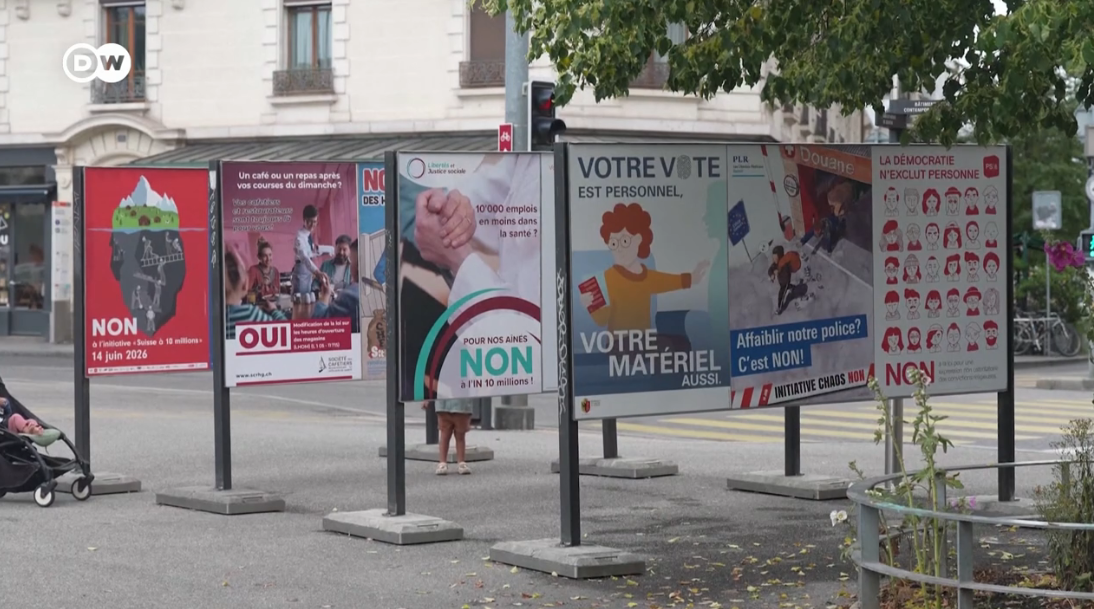
Two posters side by side - one on the left is a Yes-vote poster calling for "No to 10 million Swiss, and one on the right backs the No-vote, condemning the plan as a "chaos initiative"
A yes-vote poster paints the planned cap (L) as a way of protecting Switzerland, but opponents call it a "chaos initiative"
Two young politicians with opposing views on limiting the Swiss population spoke to the BBC prior to the vote.
"We have lost control," complains Nils Fiechter, 29, who represents the Swiss People's Party in canton Bern's parliament.
"Unchecked immigration is leading to Switzerland no longer being Switzerland," he said.
In 2022, Fiechter and his co-president of the People's Party's youth wing were convicted of racial discrimination by the Swiss Federal Court, in relation to a poster they distributed in 2018 targeting Roma and traveller communities.
He believes Switzerland's problems, which he says include a "housing shortage, gridlocked traffic, overburdened schools and strained social services", are a direct result of immigration.
But Helin Genis, a 31-year-old Social Democrat elected to Bern city council, dismissed these arguments as scapegoating.
She told BBC News: "It is not migrants who determine rent levels. It is not migrants who raise health insurance premiums. Nor is it migrants who make political decisions on housing, infrastructure or social investment."
Viewing problems "through the lens of migration does not lead to solutions, but to division", she added.
The results showed a marked difference between urban and rural areas.
Only Swiss citizens were allowed to vote, but in the cities, which have larger immigrant communities than in the countryside, the proposal got a particularly resounding no.
In the capital city Bern, for example, almost 84% of those voting rejected a population cap.
And key tourism areas, where hotels and restaurants depend on foreign labour, were also not impressed with the proposal.
Both canton Graubunden, home to St Moritz, and canton Valais, home to Zermatt and the iconic Matterhorn, said no.
The prospect of the population cap caused alarm at Switzerland's business association, Economiesuisse.
Its chief economist Rudolf Minsch said that if the motion passed, Switzerland "could face challenges in our relations with the European Union".
Brussels has long warned non-EU members that they cannot cherry-pick the advantages of the EU's single market, and wriggle out of commitments like free movement of people.
"The EU is still by far the most important trading partner for Switzerland," explains Minsch, adding that is it is "in our interest to have stable and clear relationships with our main trading partner".
Swiss employers were also worried about labour shortages, and losing access to a Europe-wide pool of skilled workers.
Half of all those who work in Switzerland's hotels are immigrants. Hospitals and care homes are also reliant on foreign workers.
The Swiss People's Party argued that immigration to Switzerland is fuelling an ever-increasing demand for more hospital beds and more places in schools, and that limiting immigration would ease the pressure.
Opponents said this is unrealistic, pointing to 20% of the Swiss population now being over 65.
Young workers, and young taxpayers, are required to staff and fund the needs of an ageing population – and Switzerland is not creating those young workers itself, they warned.
Switzerland, like its neighbours in Europe, is spending more on defence, and despite its neutrality, is planning closer defence ties with its neighbours.
Jon Pult, a member of parliament for the Social Democrats, told the BBC that his biggest fear about any population cap was being alone in an "unstable and dangerous world".
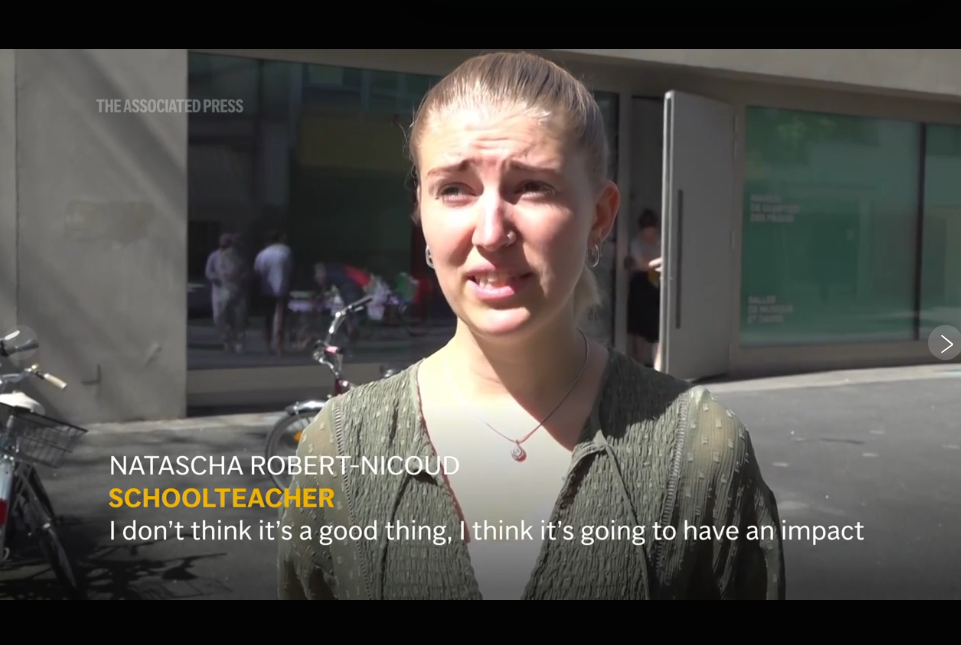
AP 보도
Swiss voters reject right-wing's bid to cap population at 10 million, early results show
Swiss voters have rejected a proposal to cap the country's population at 10 million. The initiative, led by the right-wing Swiss People's Party, was seen as a move against migration.
apnews.com
--
참고.
14.06.2026 - Volksabstimmung: Resultate
Der Schweizerische Bundesrat - Le Conseil fédéral suisse - Il Consiglio federale svizzero
mit: Bundesrat Beat Jans, Vorsteher Eidgenössisches Justiz- und Polizeidepartement (EJPD)
mit: Bundespräsident Guy Parmelin, Vorsteher Eidgenössisches Departement für Wirtschaft,
Bildung und Forschung (WBF)
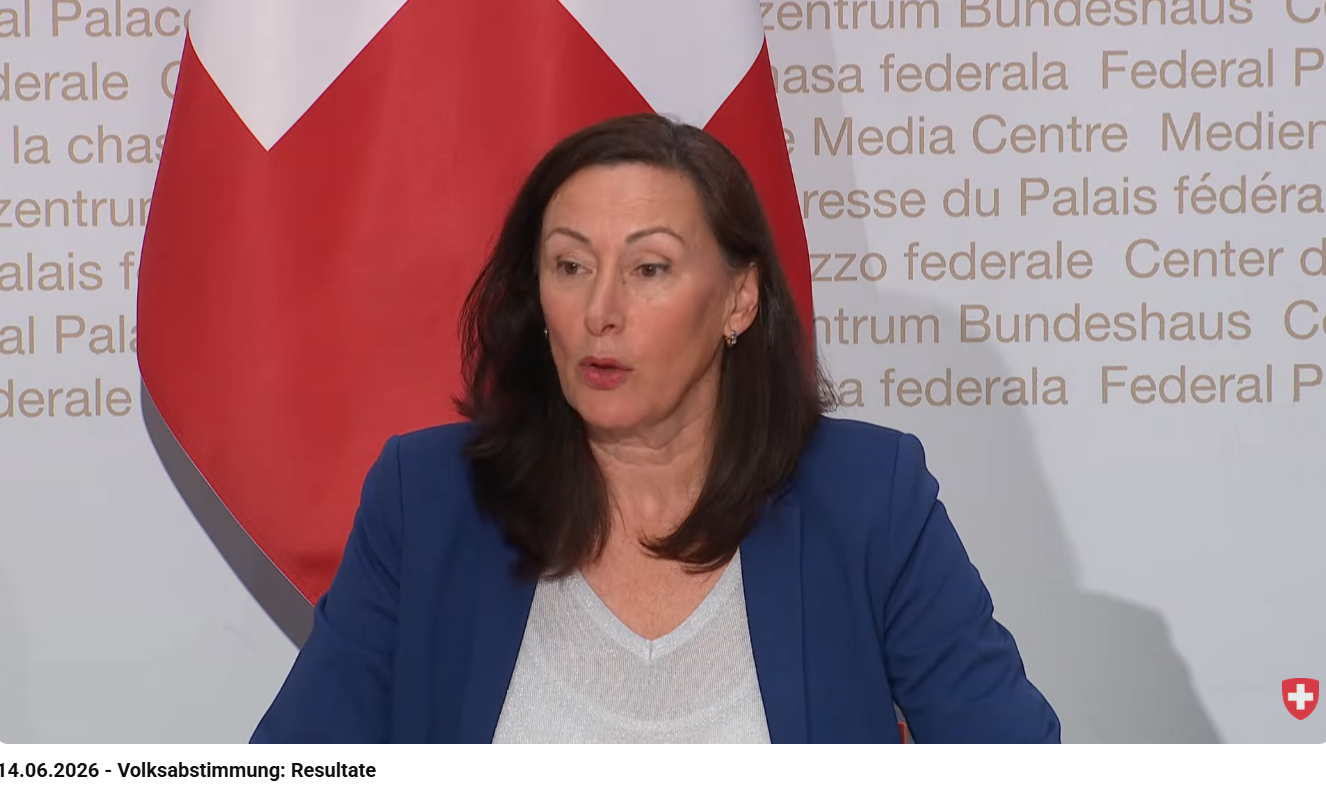
Leitung: Vizekanzlerin Nicole Lamon, Bundesratssprecherin
니콜 라몬이, 스위스 의회에서, 국민 투표 결과를 발표하고 있다.

https://www.youtube.com/live/2WBeauTIDI0?si=i7CWN7n7LliXNPuw
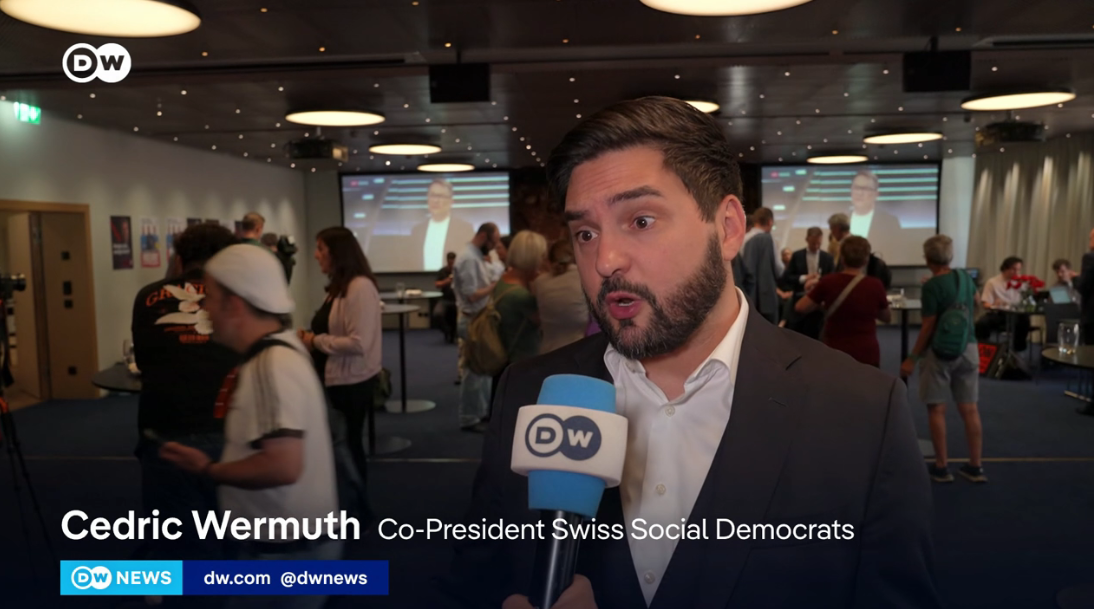
DW 도이치벨레 보도.
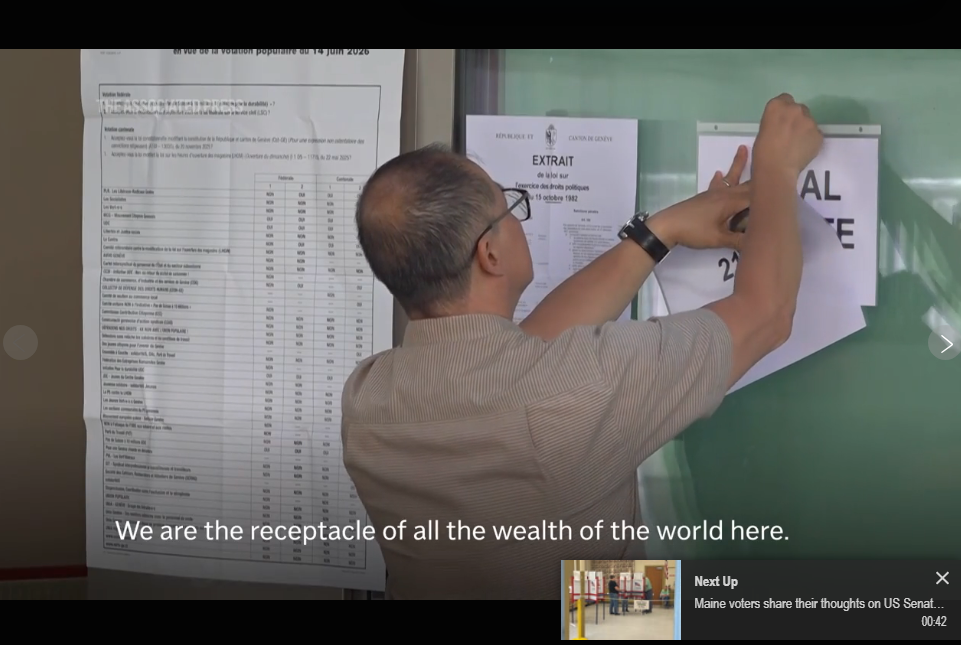
부결을 기뻐하는 '반대론자들' , 스위스 사민당 당원들.
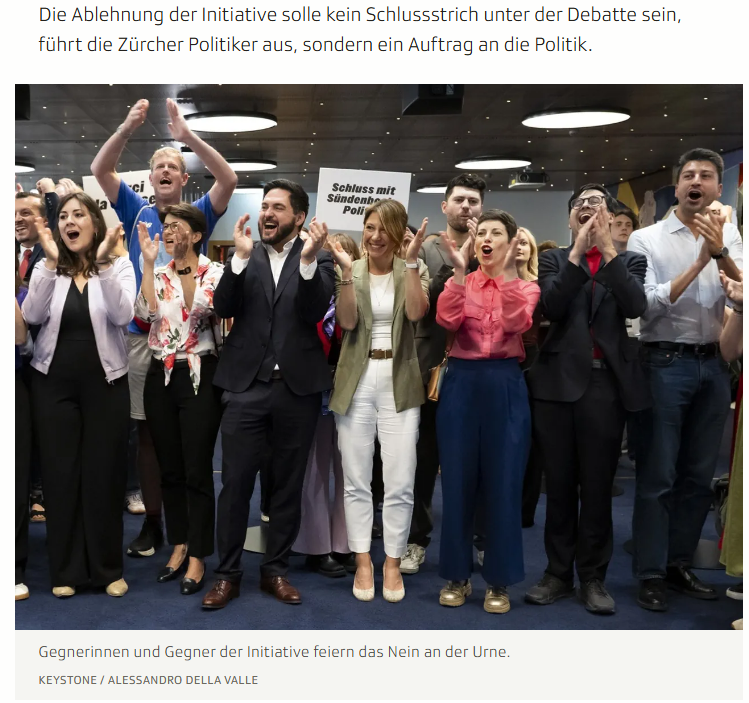
스위스, 이번 국민투표 '반대론자들'이 '부결'이 선언되자, 투표소에서 박수를 치고 있다. (스위스 사민당 당원들)

국민투표 포스터들.



https://www.dw.com/en/swiss-voters-reject-population-cap-of-10-million/video-77546956
Swiss voters reject proposal to cap population
Swiss voters have rejected a plan to cap the population at 10 million by 2050, with about 53% voting no. The proposal aimed to curb immigration in the Schengen country but raised concerns over the potential economic impact.
www.dw.com
Basel 뉴스 보도.
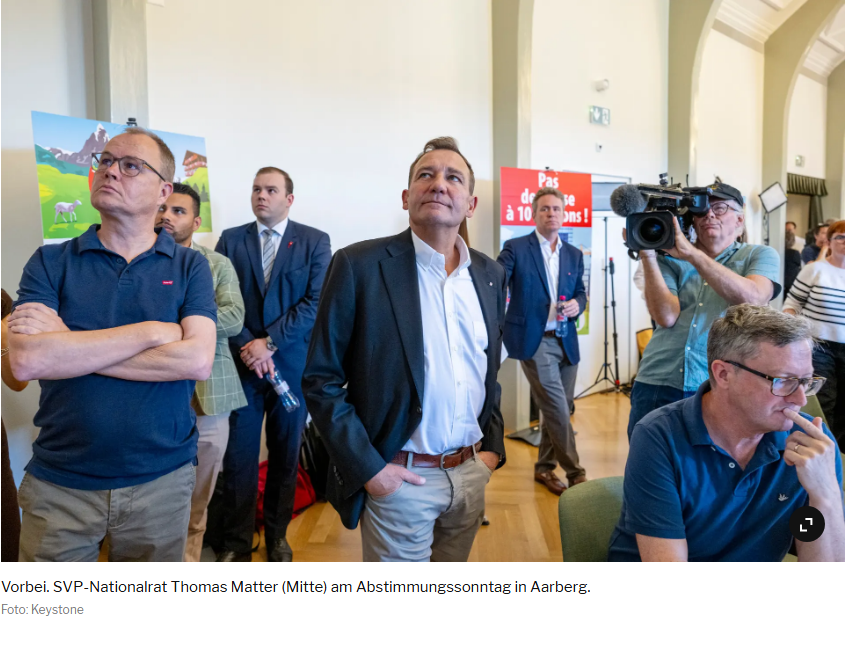
스위스 국민당, 토마스 마터 (Thomas Matter)가 '스위스 인구 1천만으로 제한하자' 국민투표를 발의했다..
https://www.bazonline.ch/hochrechnung-so-entstehen-die-liveprognosen-am-abstimmungssonntag-504664756590?nosome=
Die Schweiz hat abgestimmt: Alle Resultate – auch aus Ihrer Gemeinde
Die Stimmberechtigten entscheiden heute über zwei nationale Vorlagen. Auch alle Ergebnisse der kantonalen Abstimmungen finden Sie in dieser Übersicht.
www.tagesanzeiger.ch
Die Schweiz hat abgestimmt: Alle Resultate – auch aus Ihrer Gemeinde
Die Stimmberechtigten entscheiden heute über zwei nationale Vorlagen. Auch alle Ergebnisse der kantonalen Abstimmungen finden Sie in dieser Übersicht.
www.tagesanzeiger.ch
인구. 참고자료.
- Total Population: Provisional government data places the exact total slightly above the 9.1 million mark. [1, 2]
- Demographic Shift: 2025 marked the first time in history that the number of people aged 65 or older surpassed the under-20 demographic, pointing to a rapidly aging society. [1]
- Vital Statistics: Birth rates and the fertility decline continued to fall, though the rate of this decline slowed throughout the year. [1]
- Recent Policy: In mid-2026, Swiss voters rejected a highly publicized proposal aimed at legally capping the country's population at 10 million by 2050. [1, 2, 3]


