compost 컴포스트 - 퇴비, 두엄 (우리말 두엄)
a mixture that consists largely of decayed organic matter and is used for fertilizing and conditioning land
2
: mixture, compound
compost
verb
composted; composting; composts
transitive verb
: to convert (a material, such as plant debris) to compost.
어원
Etymology
Noun
Anglo-French, from Medieval Latin compostum, from Latin, neuter of compositus, compostus, past participle of componere
First Known Use
Noun
1587, in the meaning defined at sense 1
Verb
1829, in the meaning defined above
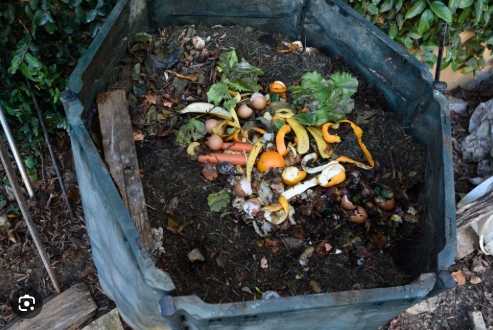
Composting is the managed, aerobic (oxygen-required) biological decomposition of organic materials by microorganisms. Organic (carbon-based) materials include grass clippings, leaves, yard and tree trimmings, and food scraps.
Composting is the managed, aerobic (oxygen-required) biological decomposition of organic materials by microorganisms. Organic (carbon-based) materials include grass clippings, leaves, yard and tree trimmings, and food scraps.
How To Make Compost At Home
Choose A Good Spot: A level, well-drained spot, which will ensure that any excess water drains away easily and will allow the worms easy access is what you are looking for.
Choose Your Compost Bin Wisely: Buy a compost bin or build your own. Make sure the worms have access as they will be doing some of the hard work for you. There are loads of options out there from small easy to use bins and tumblers (great for smaller spaces) to large open bins.
Fill It Up: Pop in all of your veg and fruit waste plus tea bag contents, coffee grinds, grass cuttings and other garden waste. Do not put meat, dairy, dog poo, perennial weeds (dandelions etc) or cat litter in there.
Balance Is Key: The key to good compost lies in getting the mix right. You need to keep your ‘greens’ (food waste and green garden waste) and ‘browns’ (leaves, hay, straw, small branches, wood chip) properly balanced. If your compost is too wet, add more ‘browns’. If it’s too dry, add some ‘greens’. In general, aim to layer it up equally.
Worms And Microbes: Our compost is produced by the activity of millions of microbes but with low temperature garden composting, worms will do a lot of the work and microbes will do the rest. Make sure worms have access to your compost and you can always buy some to add into the mix if they are not around.
Airing And Turning: We turn our compost often – it helps to aerate and mix up the waste and cuttings, which leads to faster composting.
Give It A Boost You can encourage the correct enzymes in your compost by using a compost activator. It helps to turn your grass, leaves and garden waste into dark, rich, crumbly compost in less than half the time.
Know When It Is Ready: When your compost is ready you’ll have a dark brown, almost black soil-like layer at the bottom of your bin. It should have a spongy texture and will be rich in nutrients.
Feel free to comment below if you have any questions for our compost experts and let us know how you get on! Good luck and happy composting!
https://caledonianhorticulture.co.uk/how-to-make-compost-at-home-8-tips-from-our-composting-experts/
How to make compost at home. 8 tips from our composting experts. - Caledonian Horticulture
We asked the guys on one of our composting sites to give us their top tips for making compost at […]
caledonianhorticulture.co.uk

